- Free shippingON ORDERS OVER $100


Multipocket Field Jacket
$ 360.00
Model is 5'11'' and is wearing a size M
(Chest 33'').
This product is currently out of stock.
Find in local store
Features
Features
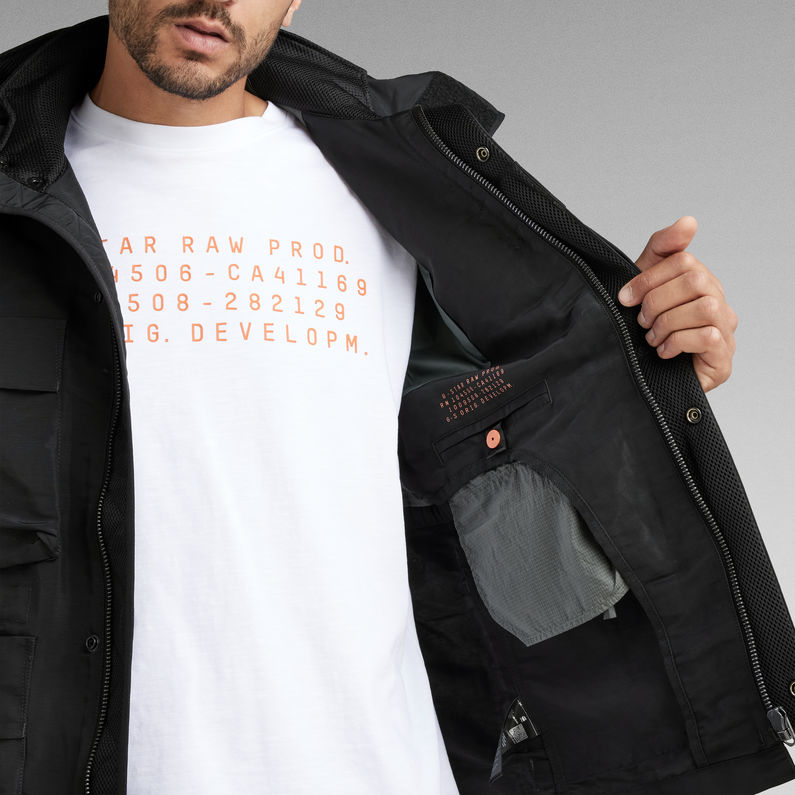
The design of this Multipocket field parka offers a detachable hood of which the peak can be folded backwards. The high raised collar keeps the wind out. A 'strike through' embroidery stitch indicates the pocket entrances of the front pockets. By pulling the drawcord at the inside, a tighter waist can be created. Also the cuffs can be adjusted by the added snap. Along both sleeves, pockets are created including a pen pocket at the bicep.
Straight Fit
Detachable peak hood (zipper) with a raised front (Velcro) and snaps. Raised collar underneath
Long sleeves with pockets, adjustable cuffs -snap closure
Flap pockets at the front -hidden snap closure- waist pockets- additional side entry
Straight hem: drawstring and inner pocket inside
Concealed zipper closure with stormpanel- snaps
Material
Material
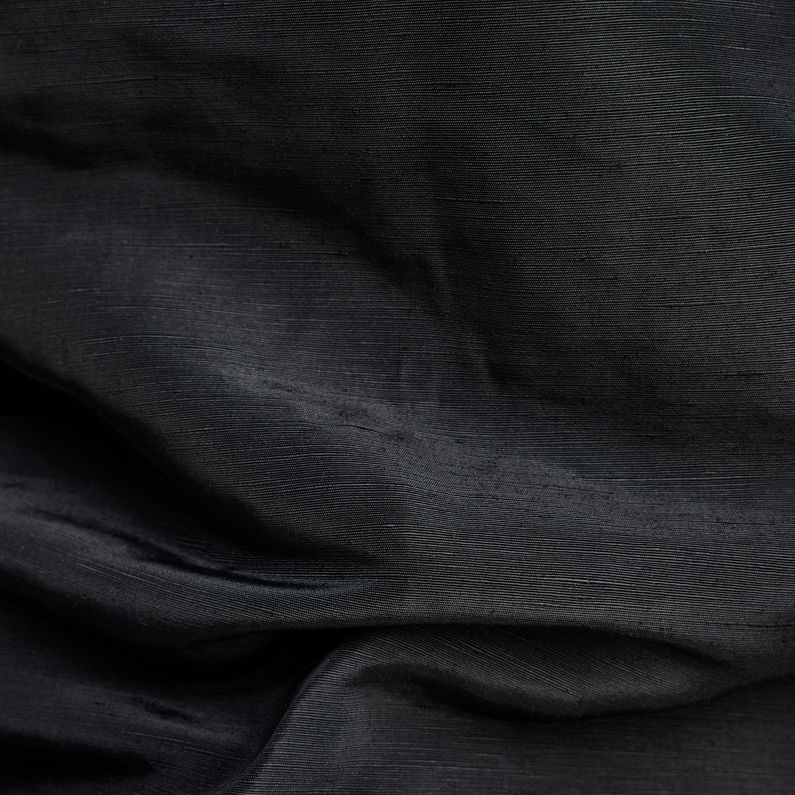
Clift Slub Weave Water Repellent
This tightly woven fabric offers a soft texture, created by combining linen with fine polyamide yarns. A durable fabric with a matt shiny surface is enriched with a water repellent finish.
- Woven subtle texture
- 67% Linen, 33% Polyamide
- Linen is renewable and biodegradable natural fiber that normally does not require use of pesticides. Furthermore it uses less water and is stronger than conventional cotton.
- This product is enhanced with sustainable PFC free high-performance water repellent finish.
- Other fabric: 69% Polyester, 31% Polyester (Recycled)
Color
Dark Black
Washing Instructions
Do not bleachDo not tumble dryLow temperature iron 230°FDo not dry cleanDry flatWash inside out, Wash separately or with similar colours, Do not iron print, trims and accessories, 65-85°F hand wash, Wash with similar colours
Art nr: d18953-c771-6484
Sustainability & Traceability
Sustainability & Traceability
Preferred Materials
- 67% Linen made from fibers of the flax plant. Producing linen requires less energy and water compared to conventional fibers.